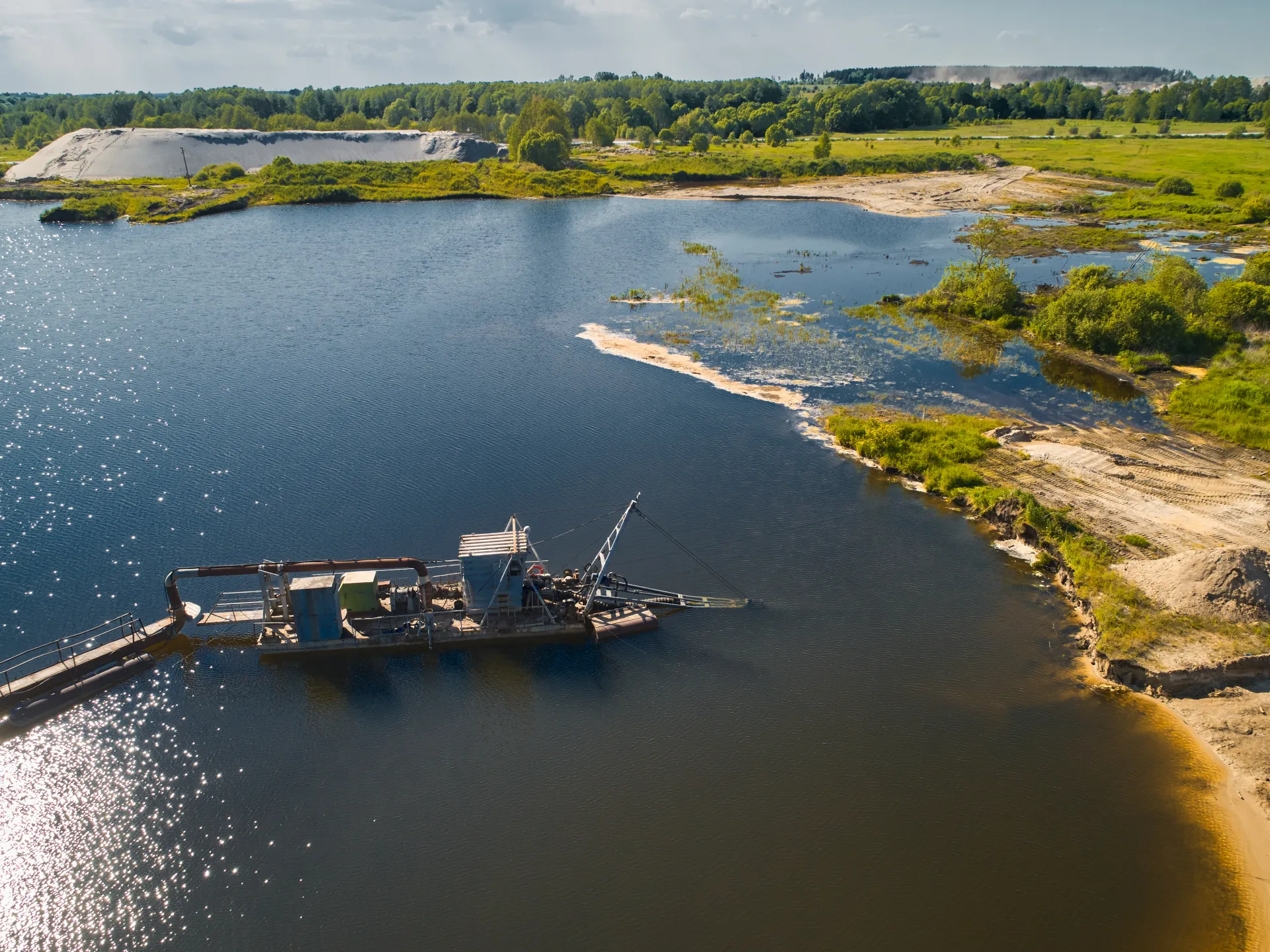

Small dredging equipment has emerged as a game-changer in the UK’s water management and restoration projects, redefining how industries approach sediment removal in constrained or delicate environments. Whether it’s maintaining narrow canals, cleaning reservoirs near urban zones, or restoring silted marinas without disturbing aquatic habitats, these compact dredging systems deliver industrial-grade performance on a smaller, more agile scale. By combining hydraulic precision, modular construction, and energy-efficient operation, small dredging equipment enables contractors to meet strict environmental regulations while minimizing fuel use, mobilization costs, and site disruption, making it a strategic asset for modern dredging operations where precision and sustainability must coexist.
Unlike traditional dredge equipment, which demands high mobilization costs and significant space, small dredging equipment delivers powerful suction and efficient material handling within a smaller footprint. These compact systems enable precise, low-impact dredging operations across ponds, canals, and treatment lagoons, helping contractors meet project goals while reducing fuel use and setup time.
The evolution of small pond dredging equipment underscores a broader shift toward smarter, more sustainable dredging methods. As demand grows for cost-effective and eco-responsible solutions, small dredging equipment continues to prove that compact technology can achieve large-scale performance and long-term value.
Understanding Small Dredging Equipment: Compact Powerhouses of Sediment Management
Dredging equipment refers to a class of dredgers specifically engineered for confined, shallow, or inland applications where space, depth, or environmental conditions restrict the use of larger vessels. Despite their reduced footprint, these compact systems are powerful, capable of handling a range of sediment types, from fine silt and sand to sludge and small debris, with impressive efficiency. Their design emphasizes mobility, modularity, and operational flexibility, allowing rapid deployment and easy transport between job sites.
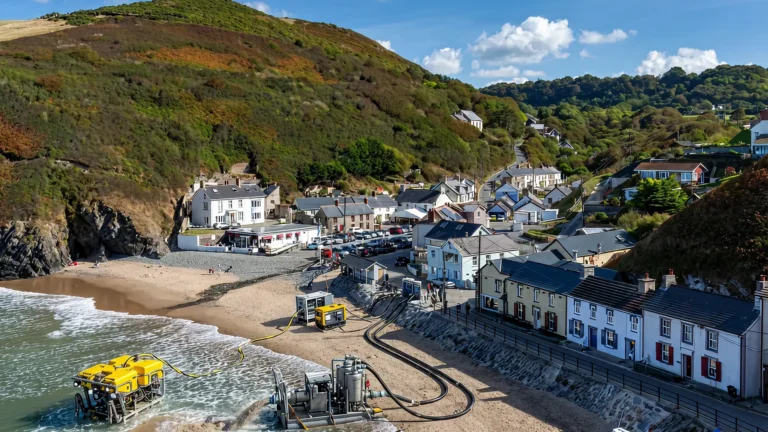
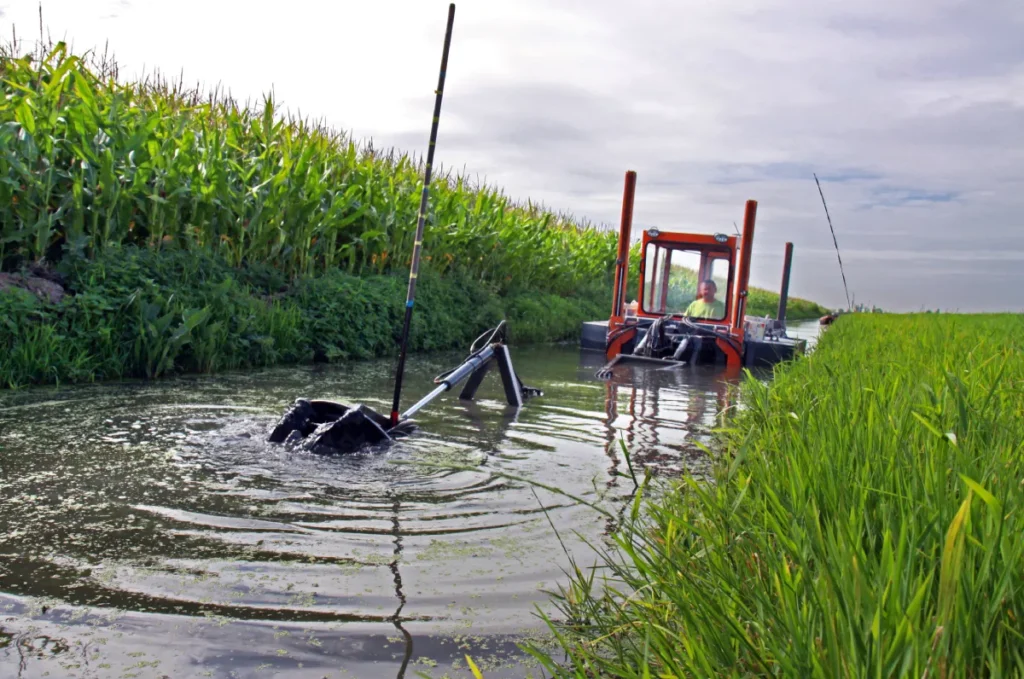
One of the most notable advantages of small pond dredging equipment is its adaptability. These units can be mounted on pontoons, barges, or even amphibious platforms, making them ideal for dredging ponds, canals, reservoirs, and other enclosed water bodies. Many modern models also feature modular components, enabling operators to customize setups based on dredging depth, discharge distance, or sediment density. This modularity helps project teams reduce downtime and improve equipment utilization rates.
When compared to traditional dredge equipment, compact dredgers offer several key benefits. Large dredging systems are typically designed for open-water projects and massive sediment volumes, often making them impractical for smaller-scale or urban operations. Small dredging equipment, however, excels in versatility and control, providing high suction efficiency and consistent material throughput even in tight or shallow areas. This makes them particularly valuable for inland maintenance work, restoration dredging, and sediment removal near critical infrastructure.
From an engineering standpoint, these machines incorporate advanced mechanical and hydraulic systems that rival the performance of larger dredgers. Their suction systems are designed for efficient sediment pickup while minimizing turbulence and turbidity, an essential consideration for environmentally sensitive zones. Flexible pump configurations allow operators to adjust flow rates, discharge pressures, and sediment handling capabilities based on project conditions. Similarly, discharge pipeline adaptability ensures optimal transport of dredged material to disposal or processing sites, even over extended distances.
Collectively, these design elements make dredging equipment a reliable and powerful tool for modern sediment management. By combining efficiency, control, and environmental precision, small pond dredging equipment continues to prove that compact solutions can deliver large-scale results in today’s demanding dredging environments.
Key Industrial and Environmental Applications
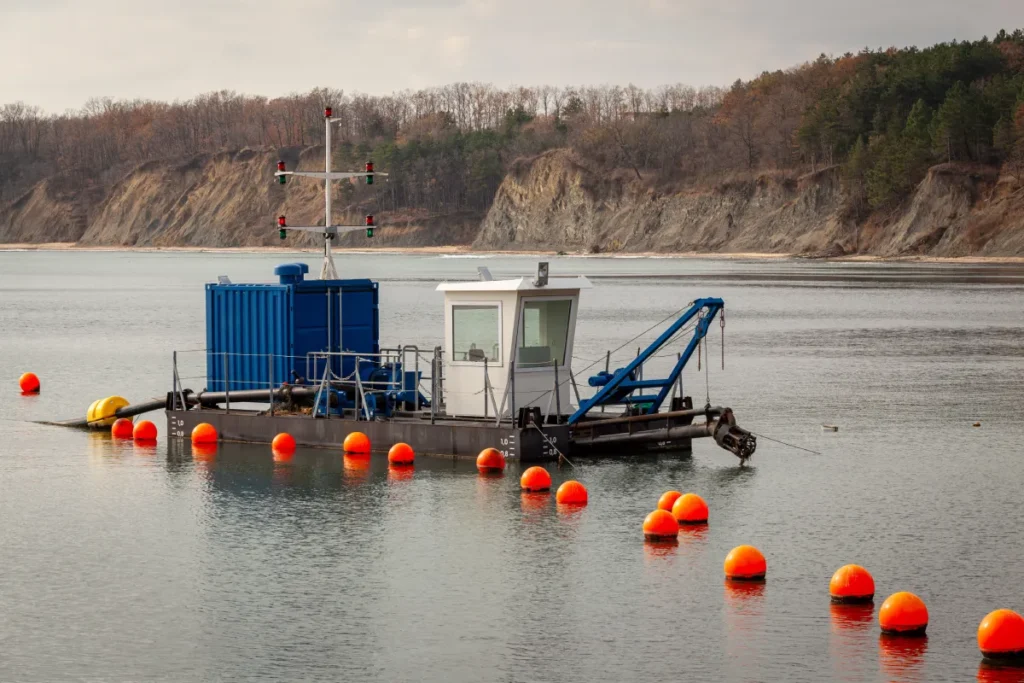
The versatility of small dredging equipment allows it to perform efficiently across a wide range of industries that demand precision, reliability, and minimal environmental disruption. Designed for confined and shallow environments, these compact systems deliver measurable results in both industrial and environmental projects throughout the UK.
Municipal Projects:
In the municipal sector, dredging equipment is widely used for lagoon and wastewater pond maintenance. Its compact design makes it ideal for desludging treatment basins and improving overall process efficiency. By minimizing water turbidity and operational downtime, municipalities can restore full treatment capacity while maintaining compliance with environmental regulations.
Mining and Quarrying:
Tailings ponds and slurry containment areas are crucially managed in mining operations using small pond dredging equipment. These devices may be placed in distant or restricted-access areas, unlike large-scale dredging operations. Mining businesses can reclaim process water, reduce sediment accumulation, and maintain continuous production flow due to their ability to handle abrasive slurry ingredients.
Oil & Gas and Energy Sectors:
For industrial energy facilities, compact dredge equipment supports the maintenance of cooling water intakes, reservoirs, and containment ponds. These units remove sediment and debris that can reduce pumping efficiency and system reliability. The use of small dredging equipment in such operations ensures ongoing system integrity and minimizes unplanned maintenance disruptions, directly improving ROI.
Environmental Restoration:
Small pond dredging equipment is a preferred solution for projects focused on habitat restoration, sediment removal, and waterway rehabilitation. Its low turbidity operation allows for selective dredging without disturbing aquatic ecosystems. Environmental contractors often deploy small dredging equipment to remove contaminants from riverbeds and wetlands while maintaining regulatory compliance and protecting biodiversity.
Construction and Infrastructure:
In civil and infrastructure projects, dredging equipment ensures effective maintenance of drainage channels, reservoirs, and urban waterways. These compact dredgers can operate within limited spaces, such as under bridges or near embankments, where larger machinery cannot access. Their precision-driven control reduces rework and accelerates construction timelines, helping contractors maintain project schedules and budgets.

The use of small pond dredging equipment yields reliable results in all industries due to less downtime, effective silt removal, and complete adherence to UK dredging and environmental regulations.
Engineering Advantages of Compact Dredging Systems
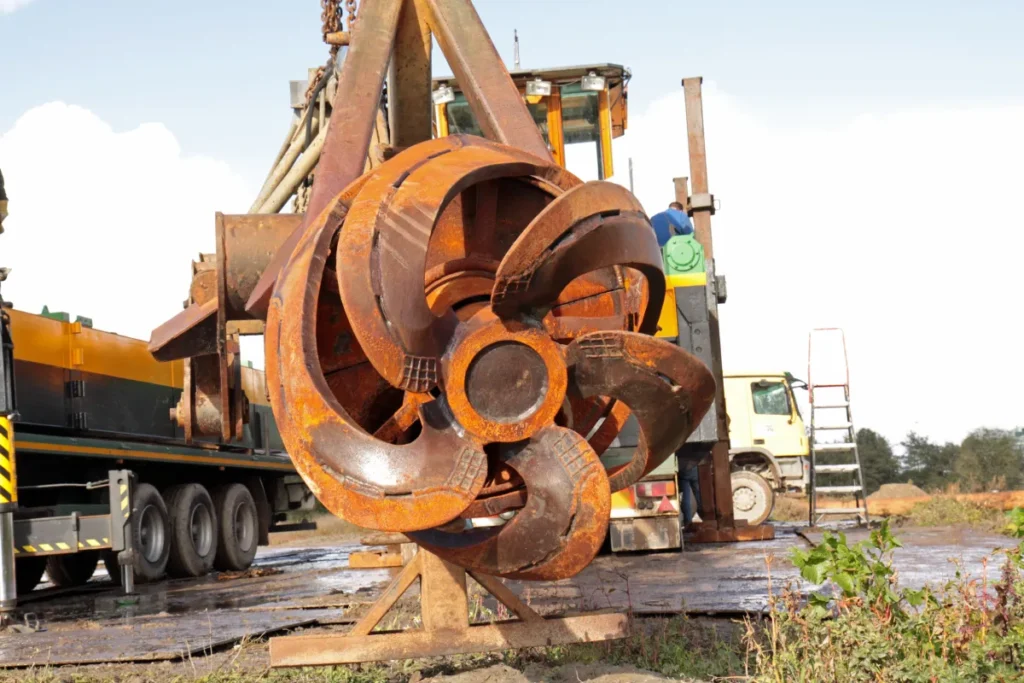
The success of small dredging equipment is attributed to its sophisticated engineering, which combines performance, portability, and mechanical robustness to make it essential for contemporary sediment management. These small systems are designed to produce results of industrial quality while being portable, simple to use, and low maintenance.
Mobility and Deployment Speed:
Unlike traditional dredge equipment, which requires extensive setup and heavy transport, small dredging equipment can be mobilized quickly with minimal support infrastructure. Its lightweight and modular construction enables deployment on small barges, pontoons, or trailers, allowing teams to begin dredging operations almost immediately upon arrival.
Precision and Control:
Small pond dredging equipment offers remarkable control over dredge depth and debris removal in confined or irregular locations. Because hydraulic and suction systems may be finely adjusted, silt can be removed effectively without upsetting the surrounding environment. It works particularly well for restoration, lagoon, and port maintenance projects that require high accuracy.
Fuel and Energy Efficiency:
Modern small dredging equipment incorporates high-efficiency pump systems that optimize energy use while maintaining powerful suction capacity. Operators benefit from reduced fuel costs and lower emissions, key advantages for both environmental compliance and long-term cost savings. Compared to conventional dredge equipment, these systems achieve similar output with significantly less power input.
Lower Maintenance Requirements:
Small dredging equipment offers longer service intervals and less downtime due to its simpler mechanical architecture and fewer wear-prone parts. Since parts like hoses, couplings, and impellers are easy to inspect and replace, maintenance teams can ensure continuous operations and reduce overall lifetime costs.
Adaptability:
The adaptability of small pond dredging equipment allows it to integrate seamlessly with a range of accessories, different pump heads, hose diameters, and sediment-handling systems. Whether used for silt removal, sludge pumping, or sediment transport, the system can be quickly adjusted to meet changing project conditions. This flexibility ensures reliable performance across various industrial and environmental settings.
Overall, the engineering design of small dredging equipment combines portability, energy efficiency, and durability, empowering operators to achieve consistent performance under demanding field conditions.
Operational Cost and ROI Benefits
The financial attraction of small dredging equipment to procurement teams and project managers goes well beyond the equipment’s initial purchase price. These systems are a sensible investment for projects in the public and private sectors as they are made to reduce operating costs and increase long-term profits.
Breakdown of Total Cost of Ownership:
Compared to conventional dredge equipment, compact dredgers have a lower total cost of ownership due to simplified logistics, smaller crews, and reduced fuel consumption. Transporting and assembling large dredgers often involves multiple support vessels and cranes, while small dredging equipment can be deployed using light-duty vehicles or trailers. This agility eliminates costly mobilization delays and minimizes site disruption.
Case-Based ROI Model:
Real-world projects demonstrate that the efficiency of small pond dredging equipment directly translates into measurable savings. With fewer personnel required for operation and maintenance, contractors can significantly reduce workforce costs. At the same time, the lower power requirements and optimized pump efficiency of modern small dredging equipment result in substantial fuel savings. The ability to complete smaller-scale dredging assignments faster also enhances asset turnover and project profitability.
Lifecycle Benefits:
Small dredging equipment consistently provides cost benefits during its service life. Equipment lifetime is increased, and the frequency of part replacements is decreased through the use of modular components and abrasion-resistant materials. This results in reduced downtime during crucial operations and a smaller inventory of replacement parts. These savings add up over time, reducing both direct maintenance costs and indirect operating disturbances as compared to traditional dredging equipment.
Financial Predictability for Contractors and Public Projects:
For government bodies and infrastructure developers, small pond dredging equipment ensures better budget control and resource allocation. Predictable operating costs and reduced exposure to fuel price fluctuations make it easier to plan multi-phase dredging programs. In many cases, smaller, portable systems can complete phased maintenance dredging on demand, eliminating the need for long-term leasing of large dredgers.
Small dredging equipment’s capacity to provide operational and financial stability eventually enables businesses to increase returns on investment while preserving efficiency and compliance over several project cycles.
Environmental Responsibility and Compliance
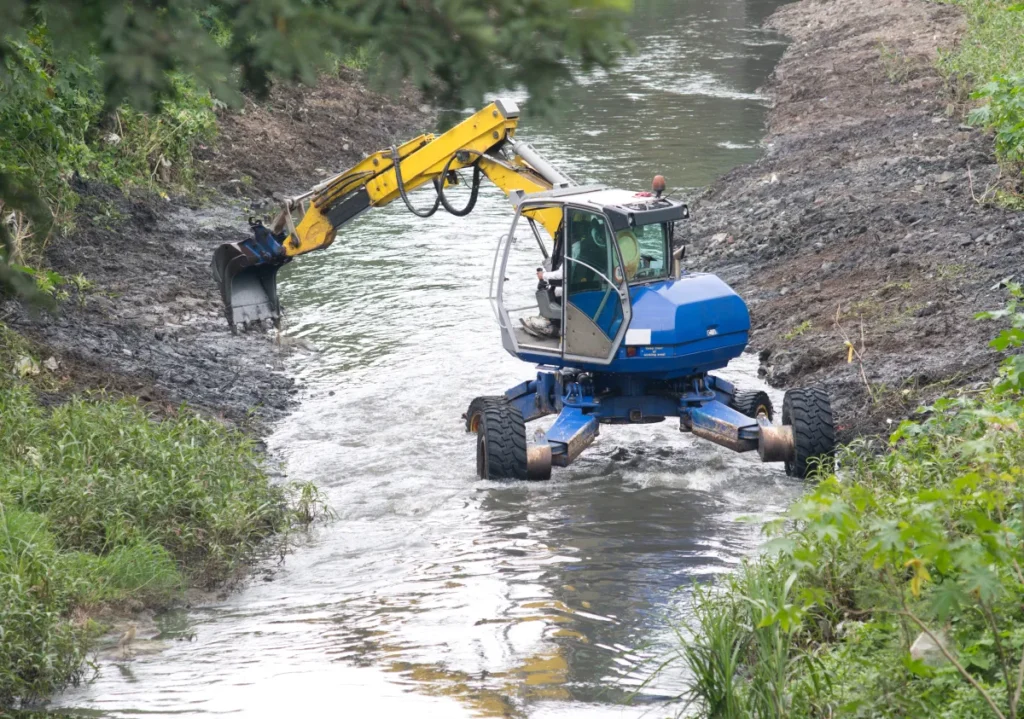
Sustainability is becoming a basic operational necessity in this new regulatory framework. This criterion has been met by modern small dredging equipment, which provides ecologically friendly silt removal and canal restoration options.
Sustainable Operations:
Small dredging systems use sealed suction mechanisms and precision controls to minimize turbidity during operation. By limiting sediment disturbance, small dredging equipment reduces downstream pollution and preserves aquatic health. Additionally, energy-efficient hydraulic systems lower fuel consumption and emissions, contributing to overall environmental sustainability in dredging operations.
Role in Environmental Dredging:
When deployed for ecological restoration or contaminated sediment removal, small pond dredging equipment provides the precision needed for selective dredging. This minimizes habitat disruption and ensures that cleanup efforts support long-term ecosystem recovery. These compact systems are particularly valuable for projects involving river rehabilitation, wetland restoration, and canal desilting, where precision and care are paramount.
Compliance with UK Environmental Standards:
All dredging projects in the UK are governed by environmental regulations set by the Department for Environment, Food and Rural Affairs (DEFRA) and the Environment Agency (EA). Small dredging equipment is inherently suited to meet these requirements due to its controlled sediment-handling design and reduced footprint. Contractors using compliant dredge equipment can demonstrate adherence to environmental permits and sustainability benchmarks more effectively, improving approval timelines and reducing project risk.
Advanced Low-Impact Technologies:
The latest generation of small dredging equipment incorporates noise-reduction systems, low-emission hydraulic drives, and environmentally safe lubricants. These advancements make them suitable for dredging near residential zones, protected wetlands, or sensitive infrastructure. Compared to conventional dredge equipment, compact systems achieve environmental objectives without compromising on performance or project speed.
By integrating eco-conscious design, precision control, and regulatory alignment, small pond dredging equipment supports both operational excellence and environmental stewardship, two priorities increasingly vital to the future of dredging in the UK.
Comparing Compact Dredge Equipment vs. Large Dredging Systems
When evaluating compact dredging equipment alongside traditional large-scale dredging systems, the differences in performance, logistics, and project suitability are clear. While both serve essential roles in the industry, their design philosophies cater to vastly different operational needs.
In terms of mobility and setup time, compact dredging equipment offers a decisive advantage. Compact systems can be transported using standard vehicles and deployed with minimal assembly, allowing project teams to begin dredging within hours rather than days. By contrast, large dredging systems often require specialized transport, cranes, and support barges, increasing mobilization costs and downtime.
Power demand is another major differentiator. Small dredging equipment operates efficiently using lower-horsepower engines or electric power units, making it ideal for confined or inland sites with limited energy infrastructure. Larger systems, while capable of handling massive sediment volumes, consume more fuel and require higher-capacity hydraulic or electrical setups.
From an accessibility standpoint, compact dredgers excel in environments where maneuverability and precision are essential, such as ponds, lagoons, canals, and urban waterways. Large dredging systems, designed for deepwater and offshore operations, are often impractical for shallow or narrow areas.
The environmental impact of smaller systems is considerably lower. Small dredging equipment generates less turbidity, produces fewer emissions, and offers greater control over sediment dispersion. These characteristics align well with modern environmental standards and sustainability objectives in the UK.
Lastly, the cost efficiency of compact dredgers makes them an attractive investment. With high ROI, reduced maintenance, and lower fuel consumption, these systems provide a more predictable and affordable operating model. Large dredging systems, while powerful, entail significant capital expenditure (CAPEX) and long-term operational commitments that may not suit smaller-scale or short-term projects.
Compact dredging equipment is becoming increasingly popular for inland and nearshore dredging operations because it provides contractors looking for dependable performance, ease of logistics, and environmental compliance with outstanding adaptability.
Compact Equipment, Major Impact
Across industrial, municipal, and environmental sectors, small dredging equipment has proven to be a transformative solution for modern sediment management. Its combination of agility, performance, and precision allows contractors and project managers to achieve exceptional results without the complexity or cost of large-scale dredging systems. From wastewater lagoons to mining ponds and inland waterways, these compact machines provide the reliability and efficiency needed to meet today’s operational and environmental standards.
The synergy between compact design, cost-efficiency, and environmental responsibility defines the true value of compact dredging equipment. By reducing mobilization requirements, optimizing fuel consumption, and minimizing turbidity, these systems not only improve project economics but also promote sustainable dredging practices. For organizations focused on predictable ROI and regulatory compliance, compact dredging equipment delivers measurable performance advantages that align with long-term asset management strategies.
Pump and Dredge Solutions supports this new standard of efficiency through advanced, customizable dredge equipment packages tailored to each project’s unique conditions. Explore how our engineered systems and expert support can help you achieve cleaner waterways, lower operating costs, and greater project control.Explore custom-engineered dredge equipment packages from Pump and Dredge Solutions to optimize your next sediment removal project.