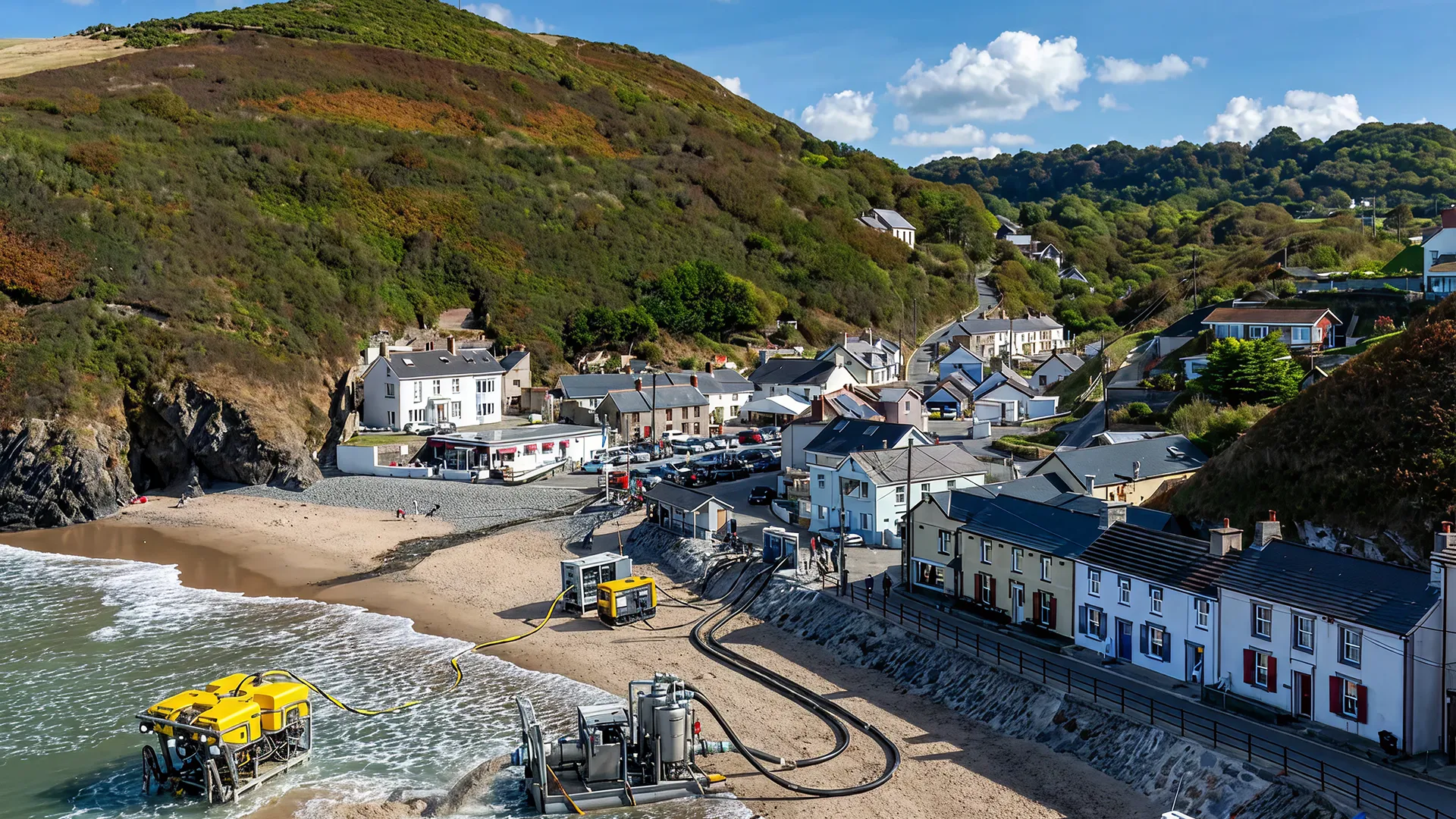

Most UK coastal projects involve pumping in some form, whether to remove sediment, keep channels clear, or handle water during marine construction. These jobs place constant stress on equipment due to tides, abrasive materials, and long operating hours. As a result, marine pumping technology needs to be selected for reliability and performance in real site conditions, not just on paper. In recent years, contractors have started adopting practical pumping innovations to reduce downtime, control wear, and meet environmental requirements. Pump and Dredge Solutions works with UK coastal operators to supply and support proven pumping systems for marine and dredging applications.
The Evolving Landscape of UK Coastal Works
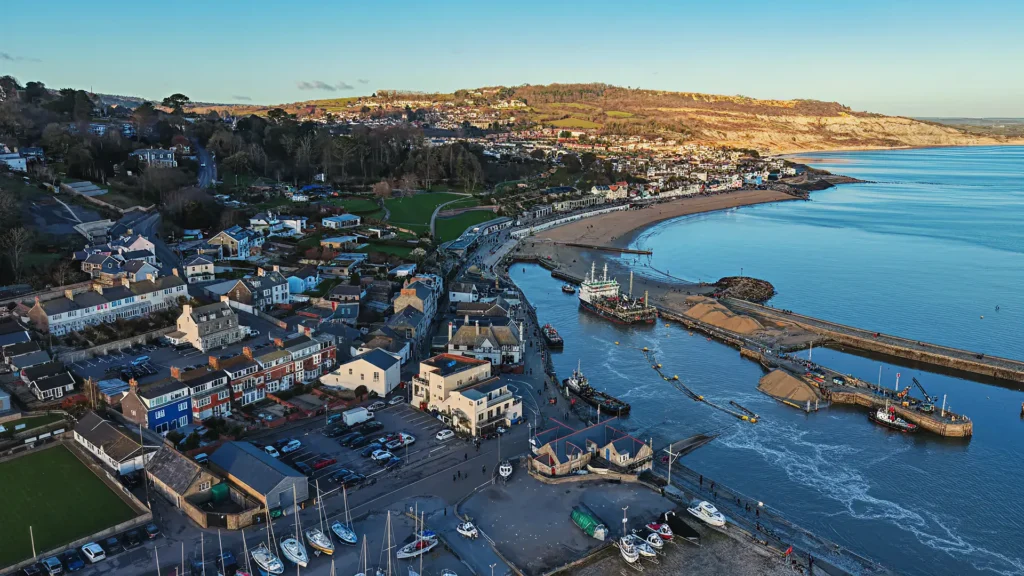
UK coastal works now involve a wider range of activities than traditional maintenance dredging. Port expansions, harbour deepening, coastal defence schemes, offshore wind support infrastructure, and shoreline stabilisation projects are all increasing in scope. These projects require pumping systems that can operate reliably in tidal environments, shallow waters, and areas with high sediment movement. As a result, marine pumping technology has become a central operational component rather than a supporting tool.
Operational conditions have also become more complex. Sediment types vary significantly across UK coastlines, from fine silt to coarse sand and debris. Weather patterns limit workable hours, and environmental monitoring requirements place additional controls on discharge and turbidity. In this setting, pump performance, wear resistance, and controllability directly affect project timelines and operating costs. This has increased attention on pumping innovations that focus on solids handling capability, reduced maintenance, and consistent output under variable loads.
Pump and Dredge Solutions supports UK coastal contractors by supplying pumping systems specifically selected for these working conditions. The company’s approach is based on matching pump design and configuration to site requirements, helping operators manage demanding coastal environments without unnecessary downtime or equipment stress.
What Marine Pumping Technology Means in Present-Day Coastal Applications
In coastal projects, marine pumping technology is expected to do more than simply move water or sediment from one point to another. Modern coastal works require pumping systems that can handle high solid concentrations, operate continuously under tidal influence, and perform reliably in abrasive and corrosive environments. These requirements place marine pumps in a different category from standard industrial pumping equipment.
For dredging and sediment removal, pumps must manage variable material composition without frequent blockages or rapid wear. In dewatering and water management tasks, flow stability and control are critical, especially when working near active ports or environmentally sensitive zones. Power requirements, deployment method, and ease of maintenance also influence how pumping systems are used on site. Because access windows are often short, any interruption caused by pump failure can delay an entire operation.
This is where recent pumping innovations have had a direct impact on project execution. Improvements in impeller design, wear materials, and submersible configurations allow pumps to operate longer between service intervals. Better control systems help operators adjust performance in response to changing site conditions rather than stopping work. Pump and Dredge Solutions applies these technologies by supplying marine pumping systems that are already proven in dredging and coastal environments, helping UK contractors achieve predictable performance across different coastal applications.
Pumping Innovations Shaping Modern UK Coastal Projects
Recent innovations in marine applications focus on solving practical site problems rather than adding complexity. UK coastal projects often involve mixed sediments, limited access, and long operating hours, which have driven demand for simpler-to-deploy, more robust pumping systems. These innovations are most visible in dredging, dewatering, and material transfer operations where downtime directly affects project cost.
One key area of development is the design of submersible dredge pumps. Modern units are built to handle higher solid content while maintaining stable flow rates. Improved hydraulic profiles reduce internal turbulence, which lowers wear on critical components. This is particularly relevant for coastal maintenance dredging, where sand, silt, and debris are commonly encountered. Cable-deployed and excavator-mounted pump configurations also allow contractors to work effectively in confined or shallow marine areas without extensive floating infrastructure.
Another important innovation is the use of more durable wear materials. Advances in metallurgy and elastomer linings have extended service life in abrasive environments, reducing the frequency of shutdowns for inspection or part replacement. This has a direct impact on coastal projects, where maintenance access can be limited by tides or weather.
Improvements in control and monitoring also play a growing role. Pumps equipped with basic performance monitoring allow operators to track flow, load, and wear trends in real timeis helps crews respond to changing conditions without stopping work. Pump and Dredge Solutions integrates these pumping innovations into its marine pumping equipment range, supplying systems configured for real coastal site conditions rather than laboratory conditions.
Where These Pumping Innovations Make a Real Difference on UK Coastal Sites
The impact of modern marine pumping technology is most visible when it is applied to specific coastal tasks where performance issues are common. In maintenance dredging, for example, pumps must operate for extended periods while handling variable sediment without frequent blockages. Newer dredge pump designs allow operators to maintain steady output even when material conditions change, reducing the need for repeated shutdowns and repositioning.
In port and harbour works, pumping systems are often used close to active shipping lanes. Here, control and predictability matter as much as capacity. Pumps that respond smoothly to load changes help crews manage sediment removal without disrupting surrounding operations. This is where practical innovations, such as improved impeller geometry and stable submersible configurations, enable safer, more controlled work.
Coastal defence and flood mitigation projects pose different challenges. Pumps may need to move large volumes of water during limited tidal windows or adverse weather conditions. Reliability becomes critical, as failure during these periods can delay the entire operation. Equipment selected for marine environments, rather than adapted industrial pumps, performs more consistently under these pressures.

Pump and Dredge Solutions supports these applications by supplying pumping systems that are already used in dredging and marine construction work. The focus is on selecting equipment that matches the site conditions, sediment type, and operating schedule, allowing contractors to apply marine pumping technology effectively across a range of UK coastal projects.
How Pump and Dredge Solutions Supports Marine Pumping Requirements in the UK
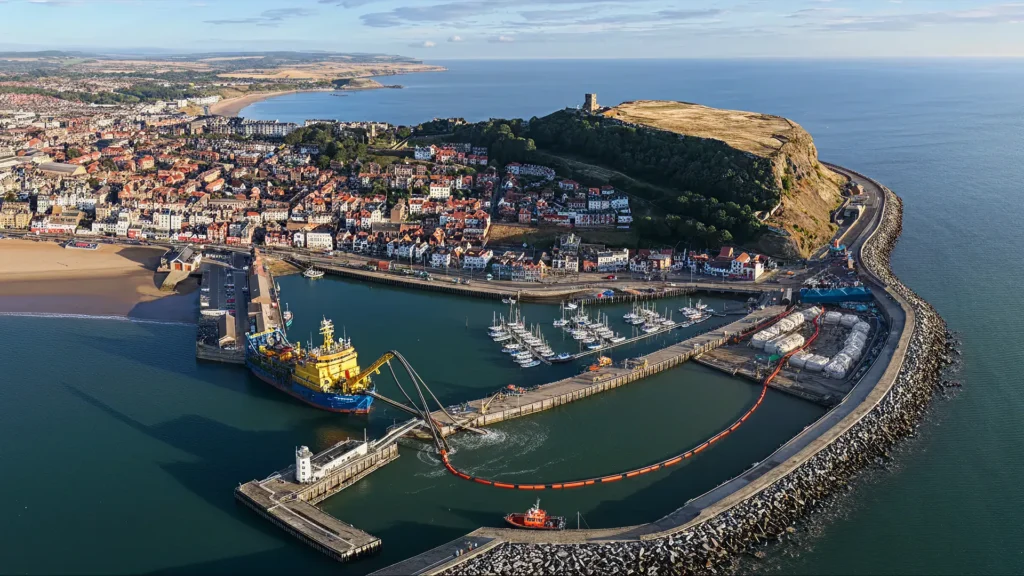
In UK coastal jobs, pump choice usually comes down to ground conditions, available access, and how long the system needs to run without stopping. Sediment type changes from site to site and sometimes within the same project. Tidal limits also affect how equipment can be deployed and maintained. Because of this, pumping systems that work well on land or in controlled environments often fall short offshore or nearshore.
Pump and Dredge Solutions supplies equipment already used in dredging and marine environments, rather than adapting standard industrial pumps for coastal work. This includes submersible and cable-deployed pumps that can handle abrasive material and higher solid content. These systems are typically selected based on how they will be deployed on site, how they handle wear, and how easily they can be maintained during a working tide.
Support matters as much as the equipment itself. Coastal projects cannot tolerate long delays when a pump goes down. Access can be restricted, and weather windows are short. Pump and Dredge Solutions supports UK operators by helping match equipment to site conditions and by ensuring parts and technical input are available when needed. This approach allows marine pumping technology and related innovations to be applied in ways that suit real coastal working conditions rather than ideal ones.
Where Marine Pumping Technology is Heading in UK Coastal Works
Future changes in marine pumping technology are being driven by site pressure rather than new ideas on paper. Coastal projects are taking longer, sediment volumes are increasing in some areas, and environmental limits are tighter than before. Because of this, pumping systems are expected to operate with less intervention while still handling abrasive and inconsistent material.
One clear direction is longer service intervals. Pumps are being designed to run for extended periods without frequent strip-downs, especially where access depends on tide or weather. This is influencing impeller design, wear materials, and bearing protection rather than adding complex electronics. Reliability remains the priority over automation.
Another area of change is how pumps are deployed. Compact submersible and cable-deployed systems are increasingly used to reduce the need for floating plant and extensive setup time. These approaches suit UK coastal works where space is limited, and mobilisation costs are closely controlled. Many of these pumping innovations are aimed at reducing setup and recovery time rather than increasing peak output.
Environmental control is also shaping equipment choice. Operators are expected to manage discharge more carefully and maintain consistent flow during dredging and dewatering. Pump systems that allow better control without stopping work are becoming more common. These developments are practical responses to regulation and site conditions rather than shifts driven solely by new technology.
Practical Considerations When Selecting Marine Pumping Technology for UK Coastal Works
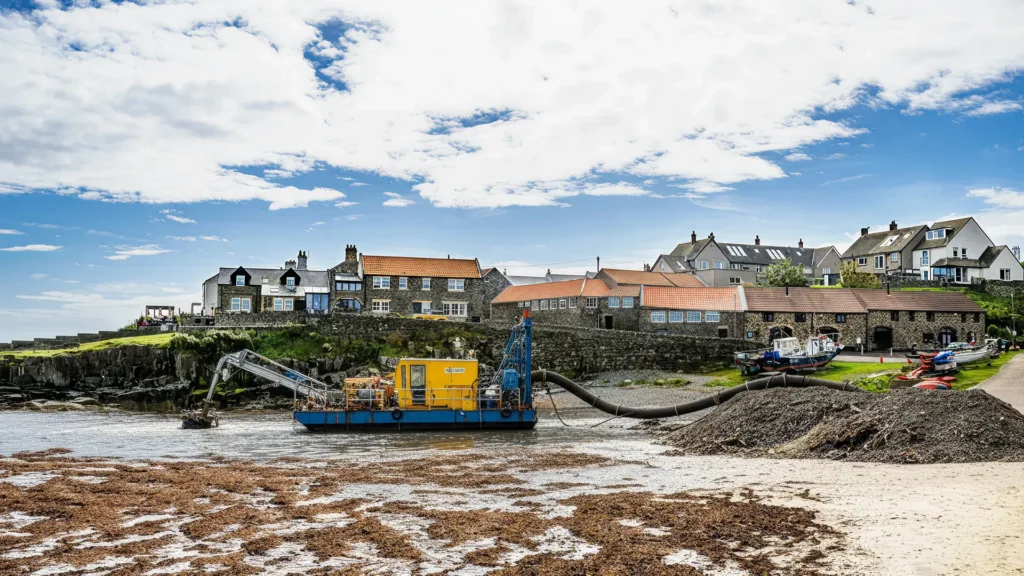
Choosing pumping equipment for coastal projects is rarely a like-for-like decision. Site conditions, material type, and access constraints usually have a greater influence than headline capacity figures. For UK coastal works, marine pumping technology must withstand fluctuating tides, abrasive sediments, and extended operating periods without frequent intervention.
One of the first considerations is sediment composition. Coastal material can range from fine silt to coarse sand mixed with debris. Pumps that are not designed for high solid content often experience rapid wear or unstable flow. This is why recent pump innovations focus on impeller design and wear-resistant materials that maintain performance under varying loads.
The deployment method is another key factor. In shallow or restricted areas, cable-deployed or submersible systems may be more practical than floating setups. These configurations reduce mobilisation time and simplify operations in space-constrained environments. Power availability and maintenance access also affect pump selection, particularly on projects with narrow tidal windows.
Pump and Dredge Solutions supports equipment selection by assessing how pumps will be used on site rather than relying on standard specifications. This approach helps UK coastal contractors apply marine pumping technology that aligns with actual working conditions, supporting steady operation and predictable maintenance requirements.
Closing Perspective on Marine Pumping Technology for UK Coastal Works
UK coastal projects continue to place heavy demands on pumping systems. Changing sediment conditions, tighter working windows, and higher expectations for reliability mean that equipment choice directly impacts project delivery. In this environment, marine pumping technology is no longer a background consideration but a core operational decision.
The shift toward practical pumping innovations reflects what contractors experience on site. Longer run times, reduced wear, simpler deployment, and better control matter more than headline performance figures. Pumps that can operate consistently in marine conditions help reduce downtime, manage costs, and keep projects moving within limited tidal and weather windows.
Pump and Dredge Solutions supports this approach by supplying pumping equipment that is already used in dredging and coastal applications. By focusing on suitability for site conditions rather than generic specifications, the company helps UK coastal operators apply marine pumping systems that perform reliably in real working environments.